
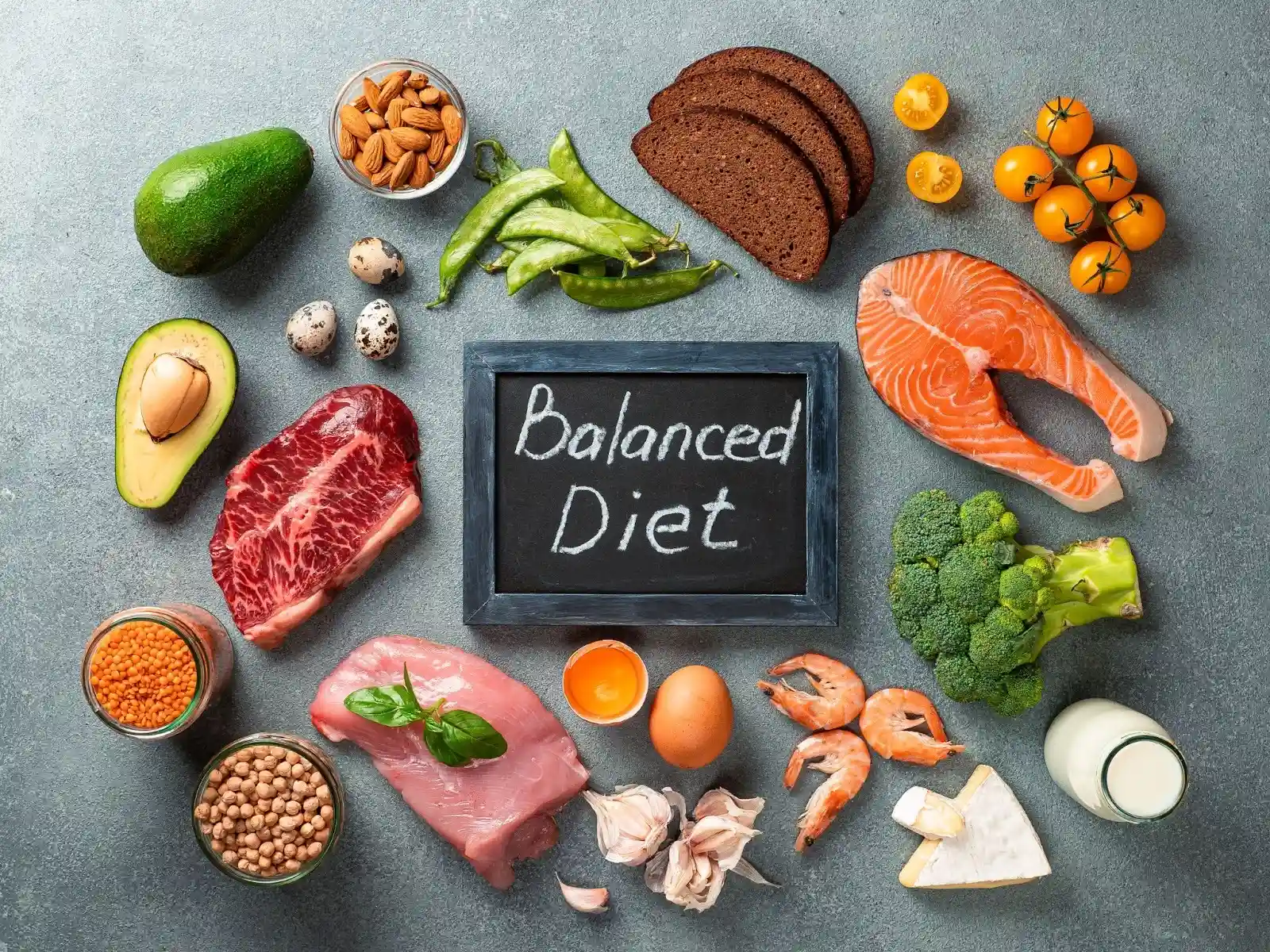
With the current diet craze and easy solutions, it is essential to know what a balanced diet entails in order to attain optimal nutrition and wellness. A balanced diet is one that requires the body to have all the necessary nutrients that it will require as a source of energy, growth and well being. This article will deconstruct the fundamentals of a balanced diet and provide practical tips and knowledge to find your way to improve your health.
What is a Balanced Diet?
A healthy diet involves a combination of different types of food that offers the nutrients required in the appropriate proportions. This involves carbohydrates, proteins, fats, vitamins and minerals. The challenge is to intake these nutrients in a manner that is beneficial to your body needs so that you perform optimally.
The Importance of Nutrition
The issue of nutrition has become central to our everyday existence. It affects our level of energy, mood and our long-term health. The balanced diet can be used in the prevention of chronic diseases, mental health, and healthy weight. The first step towards making an informed choice on food is to understand what constitutes a balanced diet.
Important ingredients of Balanced Diet
Carbohydrates: The Most Important Energy of the Body
Carbohydrates are essential in energy provision particularly to the brain and physical work. There are two broad categories; simple and complex carbohydrates.
- Simple Carbohydrates: They are fast-energy giving sugars, found in dairy products, fruits and sugars. Nevertheless, they must be taken sparingly so as to prevent peaks of sugar levels in the body.
- Complex Carbohydrates: These are in whole grains, legumes and vegetables and are more slowly digested, thus offering a longer lasting energy supply and most importantly important nutrients.
Real-Life Case Study Emma Breakfast Choice
Emma, a high-achieving employee, observed that she experienced a drop in energy in the middle of the day. When she replaced her morning food, which was sugary cereals, with oatmeal with fruits and nuts, she had a stable energy supply in the morning. Now I am so much more focused, she said.
The Complete Guide to Proteins: The Building Blocks of Life
Proteins play a role in growth, repair and maintenance of body tissues. They are also very important in the production of enzymes and hormones.
- Protein Sources: Have animal and vegetable ones. The best sources of proteins include lean meats, fish, eggs, dairy products, beans, lentils and nuts.
Professional Opinion: The Place of Protein in Diet
Dr. Karen Lee, a nutritionist, says that it is important to have as many sources of proteins in your diet as possible. Proteins of both animal and plant sources have distinct advantages. The combination of them helps to increase your total nutrient consumption, she recommends.
Fats: Essential for Health
Fats have been given a negative image yet they are needed in most body functions such as production of hormones and absorption of nutrients.
- Healthy Fats: Unsaturated fats in olive oil, avocados and fatty fish are also healthy in regard to heart health. Fats with saturated and trans fats should be put at the back burner since they can lead to chronic diseases.
Real-Life Case Study: The Type of fat Mark switched to
Mark is a fitness enthusiast who has understood that eating more healthy fats makes him feel better. He observed that not only did adding avocados and nuts to his meals increase his flavor, but also provided him with the energy that lasted longer.
Minerals and Vitamins: Micronutrients Matter
Minerals and vitamins play an important role in many biological functions, including in the immune system and in the bones. They are so as they are considered micronutrients since the body needs fewer of them than the macronutrients.
- Important Vitamins: Vitamin C, which is present in citrus fruits, is known to help individual build a strong immune system, whereas B vitamins are essential in the generation of energy. Vitamin D, commonly found in sunlight, is a vitamin necessary to the bones.
- Key Minerals: Red meat and legumes contain iron that is very essential in the transport of oxygen in the body whereas dairy products and greens contain calcium, which is very important in making bones strong.
Professional Advice: The significance of Diversity.
Dietician Lisa Chen emphasises on taking fruits and vegetables in variety. When you have a rainbow on your plate then you are getting a wide variety of vitamins and minerals. All the colors are symbolic of various nutrients, she says.
Hydration: The Lost Necessity
Hydration is a very important aspect of a balanced diet that is neglected most of the time. Digestion, the absorption of nutrients and temperature regulation requires water.
- How Much to Drink: As a rule, one should drink at least eight glasses of 8 ounces of water per day but it depends on the activity level and surroundings.
Live Case: The Hydration Challenge of Jenna.
Jenna is a teacher and she tends to forget to take sufficient water during her hectic days. Reminding herself on her phone and having a water bottle on her desk has helped her to improve her water intake dramatically. I am much more alert and committed to my tasks, when I am not dehydrated, she said.
Building a Balanced Plate
The Plate Method
The plate method is one of the effective methods of visualizing a balanced diet. According to this approach, one is supposed to separate your plate into portions so that you cover all types of food.
- Fill Half Your Plate with Fruits and Vegetables: It is better to have as many colors and types as possible, which will help to get as many nutrients as possible.
- 1/4th of Lean Proteins: Choose such options as chicken, fish, beans or tofu.
- One-Quarter of Whole Grains: Use brown rice, quinoa or whole-grain bread.
It is a minimal method of making balanced meals without making it too complicated.
Meal Planning for Success
- Planning Your Meals: Take some time in a week to plan your meals. This assists you in making healthier choices and the chance of making fast food decision which could be last minute food is diminished.
- Prep Ahead: It can save time and guarantee healthy choices in the event that you are rushed, so you have something ready.
- Grocery Shopping: You will need a grocery list depending on your meal plan so that you do not buy unnecessary unhealthy foods on impulse.
Breaking the Barricades to a Balanced Diet
Common Barriers
Balanced diet may be a hard task because of a number of reasons:
- Active Schedules: With work and family-related affairs, it might be a challenge to have time to make healthy food.
- Price: The prices of healthy foods may be high occasionally resulting in an adoption of processed foods.
- Knowledge Gaps: Some individuals do not have knowledge required to make balanced meals and this may make them make poor decisions.
Strategies for Success
- Meal Prep: Spend some time a few hours a week cooking healthy food. This may involve preparing vegetables, preparing grains and snacks.
- Cost-Conscious Choices: Give attention to in-season foods, which are usually cheaper and fresher. Purchasing in bulk might also be cheap.
- Educate Yourself: Use the internet, visit seminars, or consult with nutrition experts to provide a better insight into the concepts of eating well.
Balancing Choices in Daily life
Breakfast Ideas
Begin your day by eating a healthy breakfast which poses the pace of healthy eating. Consider options like:
- Greek Yogurt Parfait: Alternate Greek yogurt with fresh fruits and top with a sprinkle of granola to have a balanced meal containing a lot of protein and fiber.
- Smoothie Bowl: Add spinach, almond milk and banana then sprinkle it with nuts and seeds to get a healthy breakfast.
Lunch Options
In the lunch time, target food that will give you a long-lasting energy:
- Quinoa Salad: add cooked quinoa to mixed greens, cherry tomatoes, cucumbers and a source of protein such as chickpeas or grilled chicken.
- Whole-Grain Wrap: Stuff a whole-grain wrap with thinly sliced turkey, spinach and avocado to have a satisfying and a balanced meal.
Dinner Choices
Dinner must be a rounding off to your daily food:
- Baked Salmon with Vegetables: Baked salmon should be served with a portion of roasted vegetables and quinoa to create a complete meal.
- Stir-Fry: Prepare a colorful stir-fry of vegetables of all sorts and tofu or shrimp, and then pour over brown rice.
Recurrent Prolonged Advantages of a Balanced Diet
The long-term effects of a balanced diet are quite numerous, with the increased energy level, enhanced mental health, and decreased susceptibility to developing chronic diseases. This lifestyle is something that can improve not only your physical condition, but your life in general.
The Journey to Better Health
It is worth remembering that being able to balance diet is not a matter of perfection. It is a matter of making regular, conscious decisions that will aid in your health objectives. Congratulate yourself on your progress and be patient with yourself in the process of changing to eating healthier food.
Frequently Asked Questions of Balanced Diet Essentials
1. Of the principal elements of a balanced food intake?
A healthy diet comprises carbohydrates, proteins, healthy fats, vitamins and minerals which furnish the essential nutrients to the body to ensure optimal health.
2. What can I do to be more prone to adding more fruits and vegetables to my diet easily?
Attempt to replace smoothies, salads, or stir-fries with fruits and vegetables. Placing them in your kitchen means being able to consume them.
3. Which are some of the best meal prep tips when one is busy?
Make overnight oats to have breakfast, prepare bulk salads to have lunch and cook big amounts of grains and proteins to have ready to eat through the week.