
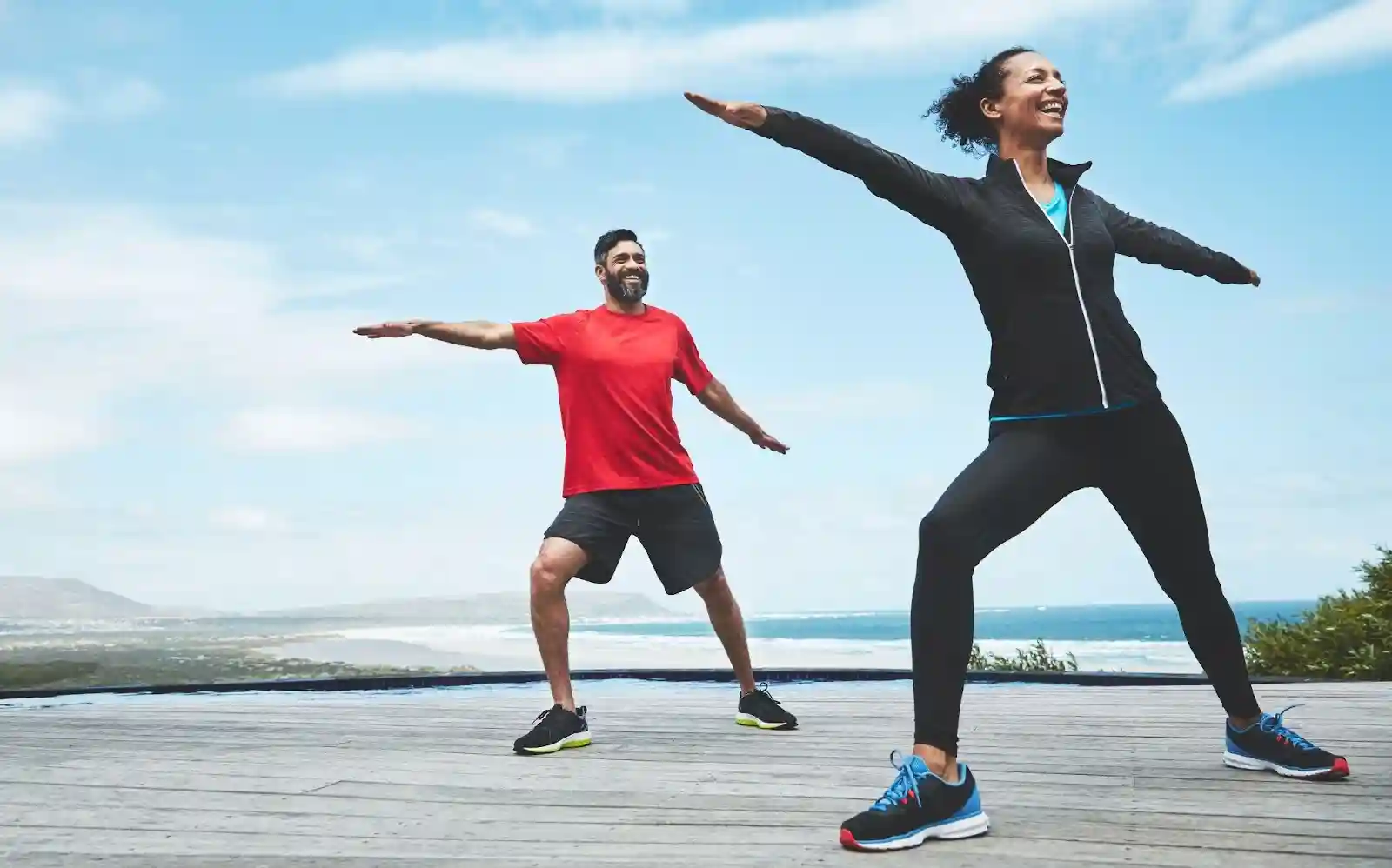
The active lifestyle is increasingly becoming crucial in the current high-paced world. As an increasing number of people adopt sedentary lifestyles, there is a growing demand to find ways of embracing successful physical activity regimes in their lives. This blog post will explore different exercise programs that can support different lifestyle objectives, and it will include the insights that are supported by the research and professional views. Whether you want to shed pounds, gain muscle power or just improve your well being, there is something that would suit you.
Learning the Benefits of Exercise
It is imperative to understand the importance of exercise in an active lifestyle before getting into the specific routines. Physical exercise has many advantages, such as:
- Improved Mood: Exercise releases a hormone called endorphins also referred to as feel-good hormones that can help eliminate stress and anxiety.
- Better Health: Exercise can lessen the chances of chronic illnesses which include heart disease, diabetes and obesity.
- Higher Energy Supply: Get used to constant movement and supply is increased, which simplifies everyday tasks and makes them more pleasant.
Real-Life Case: The Metamorphosis of Sarah
A good example is a 34-year-old marketing professional named Sarah who was spending most of her days sitting at a desk. She made the decision to exercise after her discovery of how this type of lifestyle was affecting her health and energy levels. Through adherence to an exercise regimen, Sarah not only lost weight, but also became more confident and her mental health was restored.
Designing Your Fitness Program
To develop a successful exercise program, one needs to think it through thoroughly taking into account your objectives, likes, and your fitness state. The following are some of the essential factors to be taken into consideration:
1. Set Clear Goals
The key to a successful workout regimen is setting some attainable goals. No matter what goals you have, whether it is to lose weight, gain muscle or enhance cardiovascular fitness, what you need to accomplish should be defined so that it will optimize your routine.
2. Incorporate Variety
A variation of activities is necessary to make exercise fun. This not only eliminates boredom but also helps to ensure that muscles are targeted in different parts. Consider mixing:
- Cardiovascular exercises: Running, cycling or swimming are some examples of such activities which increase your heart rate.
- Strength training: Resistance bands or weights are used to develop muscle.
- Balance and flexibility: To improve the general flexibility and avoid injuries, it is possible to include yoga or pilates.
3. Find Your Rhythm
People prefer varying times and methods in which they would wish to work out. There are those who do best in the morning and others who like evening workouts. The time and format to use: experiment as much as possible to discover the time and format that best fit you.
Good workouts to achieve various objectives
Having got the background, it is time to explore the specific exercise routines that are designed to suit different active lifestyle purposes.
A. Weight Loss
Strength training combined with cardio is usually a good option for those wishing to lose pounds. An example of a weekly routine would consist of:
- Monday: High-intensity interval training (HIIT) that consists of short-term intensive exercising and rest periods.
- Wednesday: 45 minutes of moderate cardio (such as jogging or brisk walking).
- Friday: Full body strength training with emphasis on the compound movements (squats, deadlifts, and push-ups).
B. Muscle Building
In case you want to gain muscles, pay more attention to strength training. Consider this routine:
- Tuesday: Workout on the upper body (bench press, rows, shoulder press).
- Thursday: Bottom half exercise (squats, lunges, calf raises).
- Saturday: Full body training using functional exercises (kettlebell swings, medicine ball slams) and using free weights.
C. Endurance Training
To become more endurance building, especially in case of a marathon or a bike race, I would recommend a systematic plan:
- Monday: Long run (gradually increase the distance).
- Wednesday: Tempo run or bike ride and emphasis will be on running steadily.
- Friday: Light stretching or yoga day.
Professional News about Workout Routines
Dr. John Ratey, a clinical associate professor of psychiatry in Harvard Medical School, argues that exercise does not only relate to physical health, but also to mental well-being. He underlines that there is an enormous effect of physical activity on your mood and thinking capacity when an individual begins to incorporate it into their daily routine.
The Science Behind Exercise
It has been found that exercise may grow the size of the brain region associated with memory and learning, the hippocampus, when exercised regularly. A research article in the journal Psychosomatic Medicine revealed that people who practice constant physical activity indicate that they have better mental health and their incidence of depression is lower.
Staying Motivated
Motivation is one of the largest problems of living exercise routine. The following are some of the strategies that can help you maintain your momentum:
1. Track Your Progress
It is possible to keep a journal or use fitness apps to see the progress. Compliment little achievements, such as being able to carry heavier weights or run farther.
2. Find a Workout Buddy
When you are exercising with a friend, you can enjoy your outings and keep yourself responsible. When a friend counts on you to exercise, it is a lot easier to do it.
3. Mix It Up
As stated above, diversity is the most important. Do not be afraid to visit new classes, sports or activities. This makes your routine always new and interesting.
Nutrition and Recovery
There is no workout program that is complete without nutrition and rest. The consumption of appropriate nutrition is important to performance and recovery. Focus on:
- Balanced meals: It is a combination of carbohydrates, protein and healthy fats.
- Hydration: Have lots of water prior to, at, and after the work-outs.
- Rest: I need to have enough sleep and recovery days to avoid burnout and injuries.
Conclusion
Being physically attractive is not only about exercising but is also a way of improving your life in general. Through the goals, doing what you like and being consistent, you can be able to get the results that you want in your lifestyle. Keep in mind the path to active lifestyle is a personal one and it is different with every person. Be a part of the process and you can have the benefits associated with the same process.
Frequently Asked Questions
1. What is the recommended frequency of working out to have an active lifestyle?
Goal: at least 150 minutes of moderate aerobic activities or 75 minutes of vigorous activities per week with strength training at least two or three times a week.
2. What is the ideal weight loss exercise?
High-intensity interval training (HIIT) combined with strength training is also good in weight loss as it increases metabolism and muscle mass.
3. Is it possible to get the results with a short exercise?
Yes! HIIT may be effective as short, intense workouts. Durability and strength are more important than time.