
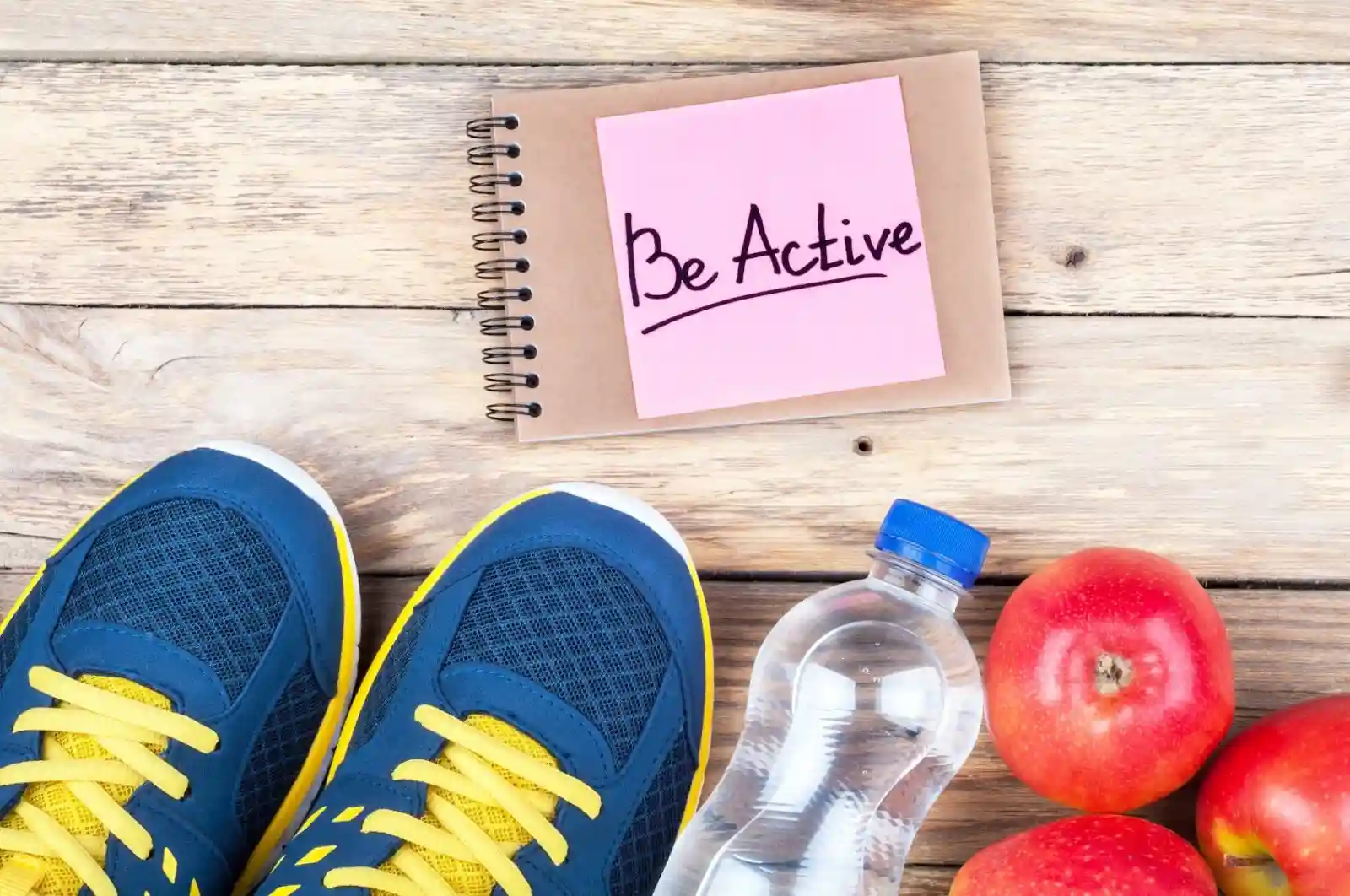
The reason is that, in the contemporary world, where lazy habits have become all the more popular, it is more important than ever to make physical exercise a part of your lifestyle. Regular movement is not only much more beneficial to physical health, but also positively affects mental, energizing conditions, and the quality of life in general. This blog post would describe how to incorporate physical activity in your daily life using both professional knowledge and real-life examples to support the idea.
The Significance of Physical Exercise
Exercise does not merely mean going to the gym and spending hours there but rather it is a matter of making exercise a daily routine. The World Health Organization (WHO) recommends adults to have at least 150 minutes of moderate intensity aerobic activity every week. This may help a great deal to minimize the risk of chronic diseases, ensure better mental health and extend life.
An Autobiographical Memoir: The Case of Michael
Take the case of Michael, the 45-year old father of two with his weight and energy problems related to a busy work schedule and a very active family life. He found himself unable to spend time with his children because he was becoming very sedentary and once he discovered his unhealthy lifestyle was not only impacting his health alone but also the way he enjoyed spending his time with his children, he thought he needed to change. Michael has changed his lifestyle by adding very little physical exercise to his daily routine and managed to lose weight and become more energetic to play with his children.
Developing an Individualized Physical Exercise Program
You have to make physical activity unique to your everyday lifestyle to be able to integrate it. This is the way you can make a routine that will work with you.
1. Fabricate Your Existing Lifestyle
You need to pause and assess what you do on a daily basis. Determine the duration you spend sitting as compared to moving. Through this introspection, you will be able to identify the areas in which you can incorporate more physical activity.
2. Set Realistic Goals
It is important to have realistic goals in order to remain motivated. Begin with little and build up on your activity levels. An example will be to make it a habit of walking 10 minutes after lunch or having a short exercise three times a week.
3. Make It Convenient
Physical activity should be made a part of your lifestyle. When you are time conscious, seek out something that will get you on your feet. Here are some suggestions:
- Use the Stairs: Use Stairs whenever you can instead of elevators.
- Walk or Bike To Work: Walking or Biking, rather than Driving: When possible, walk or ride a bicycle instead of driving to work.
- Active Breaks: Take breaks during work to stretch, walk around or perform a few exercises.
Physical activities to incorporate: Fun Ways
I am going to discuss some of the fun ways to use physical activity in your everyday life and make it not seem like such a burden but rather one of the fab parts of your routine.
A. Morning Movement
It is a good idea to start a day by doing some exercise as a way of getting ready to have a good day. This may be a brisk walk, a brisk yoga or a brisk workout. A morning workout can help improve your mood and make you more productive in the day.
B. Family Activities
Engage your family in sporting activities. Arrange weekend excursions where you hike, ride or do any kind of sports together. This does not only give exercise but it also ties the family.
C. Integrate Movement in Work
In case you have an office job, you can become active in many ways:
- Desk Workouts: Take a seat whereby you do leg lifts, stretches or even stand-up meetings.
- Walking Meetings: Do not sit in a conference room and hold your meetings there. Have a walk instead.
D. Use Technology to Your Advantage
Fitness apps and wearable devices can assist you to monitor the level of activity and remind you to move. Numerous apps have guided workouts that can be done either at home or on breaks.
The Mindfulness and its Relationship with Physical Activity
The idea of mindfulness is that one has to be present and not divided by anything you are doing. Mindfulness can also make your physical activity experience more enjoyable as well as motivating. Here’s how:
1. Listen to Your Body
Be sensitive to the physical activity of your body. Such awareness will collaboratively assist you in preventing injury besides knowing what kind of movement you like the most.
2. Enjoy the Process
You should not just look at the final product but enjoy the process. Feel the motion, the breathing of the air, or the friendliness of a working-out.
The Science of Exercising
The advantages of physical exercise are always supported by research. According to research in the American Journal of Preventive Medicine, depressed and anxious persons have reduced rates of mental disorders when they practice regularly. In addition, the Centers of Disease Control and Prevention (CDC) state that physical exercise has the potential to enhance brain functioning and lower the chances of cognitive impairment as age sets in.
Professional Perspectives: Dr. Andrew Weil
As a famous expert on integrative medicine, Dr. Andrew Weil reminds us that the idea of making daily exercise a part of your routine should seriously affect your health. He supports doing what you like because this will heighten chances of maintaining a routine in the long term.
Breaking the Barriers to Exercise
However, despite the advantages, a big number of individuals do not have the facilities to integrate physical exercise into their schedules. The following are some of the pitfalls and mitigation measures:
1. Time Constraints
Time has been mentioned by a large number of individuals as an excuse not to exercise. Fight this by ensuring that you have little spurts of activity in the day. Even 10 minutes increments can be translated into considerable health rewards.
2. Lack of Motivation
It is not hard to lose the momentum, and when you do not see the results in the nearest future, it is quite easy. Concentrate on the process and not the output. Get someone to exercise with or become a part of a group.
3. Physical Limitations
In case you experience physical disability or health issues, you need to seek advice of a medical professional before adopting a new exercise regime. They will assist you in getting safe and effective activities based on your needs.
Making It a Habit
The main task to be done is to make physical activity a habit in order to reap the benefits. The following are some of the tips on how to establish a physical activity routine that would be sustainable:
1. Consistency is Key
Intention is to integrate some form of movement in your day to day life. Attempt to schedule physical exercises like any other important appointment you have.
2. Track Your Progress
Note down everything you do or note down with fitness apps. The ability to track your progress can increase motivation and make you accountable.
3. Celebrate Achievements
Credit your achievements however minor. To stay motivated, it is possible to celebrate milestones, e.g. complete a set of workouts or achieve a new fitness level.
Frequently Asked Questions
1. What are some of the ways I can begin to exercise every day?
The first step includes evaluating your daily routine and finding ways of moving around, walking on the stairs or during breaks. Establish small and attainable objectives to create consistency.
2. What would happen in case I am not able to dedicate time to a long workout?
Even spurts of activity can prove helpful. Set a goal of 10-15 minutes of movement throughout the day that eventually can lead to enormous health gains.
3. What can I do to keep myself motivated into exercise?
Identify the activities that you like, monitor the performance, and think about joining the exercise with your friend to improve motivation and responsibility. Be proud and share your successes.